
A backyard pool can lose some water during the summer without it being a problem. Hot temperatures, direct sunlight, wind, and regular swimming activity all contribute to gradual water loss. But if your pool losing water situation seems excessive, the question becomes whether you are dealing with normal evaporation or an actual leak. Understanding the difference early can help prevent bigger issues involving plumbing, landscaping, decking, and long-term repair costs.
For many homeowners, the first sign of trouble is noticing the pool water level dropping faster than expected over a few days. In this article, we’ll explain what’s normal water loss versus steady or sudden water loss that points to a hidden issue that shouldn’t be ignored.
Summer conditions naturally increase pool water loss. Before assuming there is a leak, it helps to understand the common reasons pools lose water during warm weather.
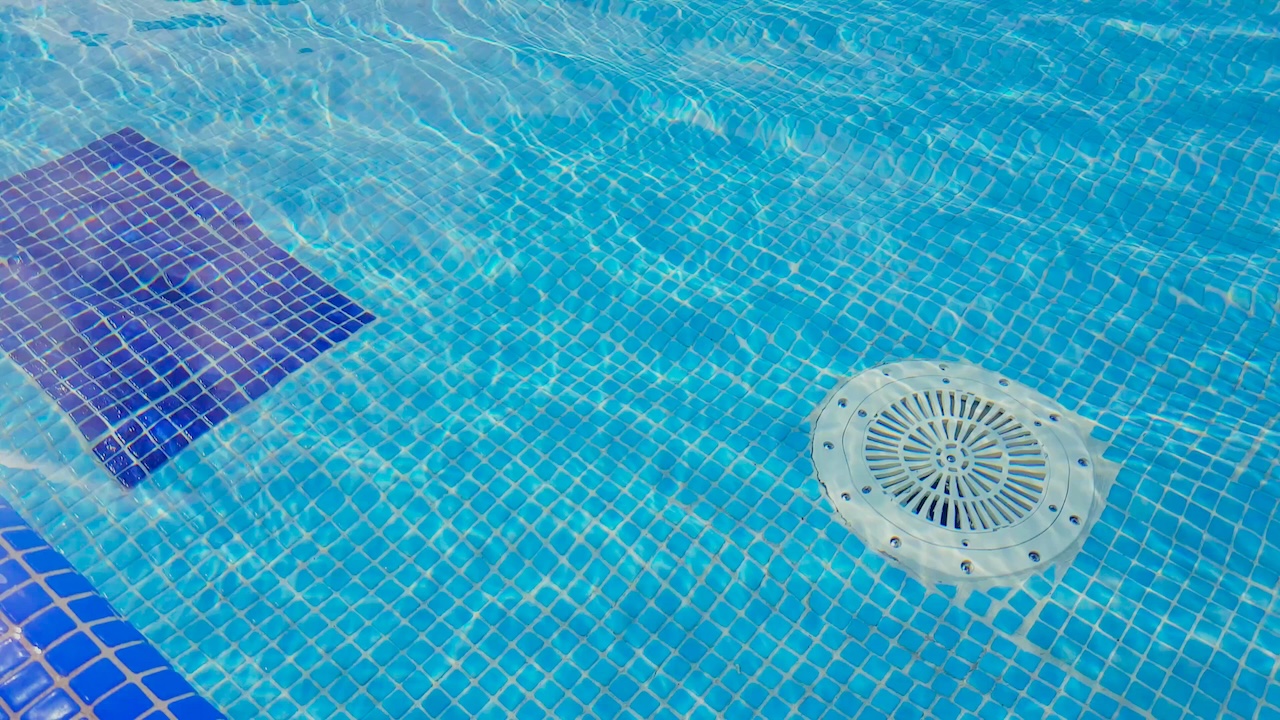
According to Tracer’s information on pool leak detection, most pools lose approximately 1/4 inch of water per day through normal evaporation. Anything significantly beyond that may suggest a leak.
If you’re wondering, “why is my pool losing water so quickly?” the answer often depends on several factors:
However, a pool losing 1 inch of water a day is generally not considered normal, especially if cooler weather or reduced use does not slow the loss.
Understanding the difference between pool evaporation vs leak issues can help homeowners avoid unnecessary repairs or delayed detection.
| Sign | More likely evaporation | More likely leak |
| Water drops slowly and evenly | Yes | Maybe |
| Water loss continues in cool weather | No | Yes |
| Wet or soft ground near the pool | No | Yes |
| Air bubbles in the pump system | No | Yes |
| Cracks around the shell or deck | Maybe | Yes |
| Higher water bill | No | Yes |
| Algae despite regular maintenance | Maybe | Yes |
Tracer’s swimming pool leak detection specialists note that common warning signs include water level drops, cracks, soft ground around pool areas, recurring algae, unexplained water bills, and pool pump air bubbles.
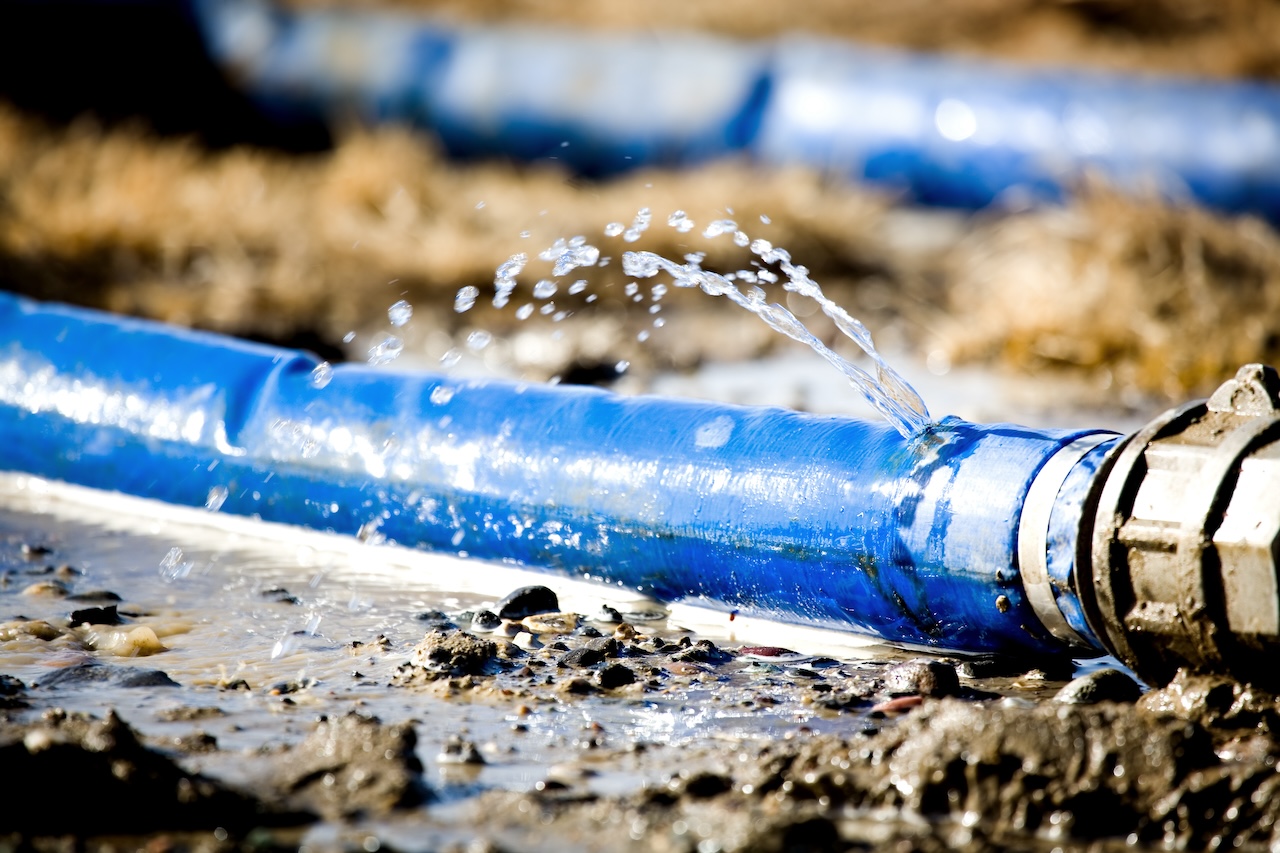
A small amount of daily evaporation is expected. But if your pool water level dropping becomes consistent and noticeable regardless of weather conditions, it may indicate a leak.
One of the easiest ways to monitor this is by marking the waterline and checking it 24 hours later. If the loss seems excessive, it is worth investigating further.
One of the clearest signs of a pool leak is soggy or soft soil surrounding the pool area. If water is escaping underground, it may collect beneath patios, landscaping, or nearby plumbing lines.
Homeowners who notice soft ground around pool plumbing lines or patios should investigate possible underground leaks.
Homeowners sometimes notice:
A pool leaking underground can cause damage long before the source becomes visible.
Cracks do not always mean there is a leak, but they should never be ignored. Structural movement, shifting soil, or water escaping beneath the pool can all contribute to cracking.
If cracks continue expanding or appear alongside unexplained water loss, professional inspection is recommended.
Persistent pool pump air bubbles may indicate air entering the plumbing system through damaged pipes, fittings, or underground leaks.
This issue can affect circulation efficiency and may point to plumbing-related water loss.
Some homeowners gradually top off their pool without realizing how much additional water they are using. Over time, this can noticeably increase monthly utility bills.
If your water costs rise unexpectedly during swim season, hidden pool water loss could be the cause.
Water loss affects pool chemistry. Even with regular maintenance, recurring algae growth may occur if the water balance keeps changing due to an undetected leak.
When homeowners experience ongoing algae problems despite proper treatment, leak detection is worth considering.
In summary, unexplained pool water loss leads to ongoing pool maintenance problems, including unstable chemical levels, recurring algae, and increased cleaning requirements.
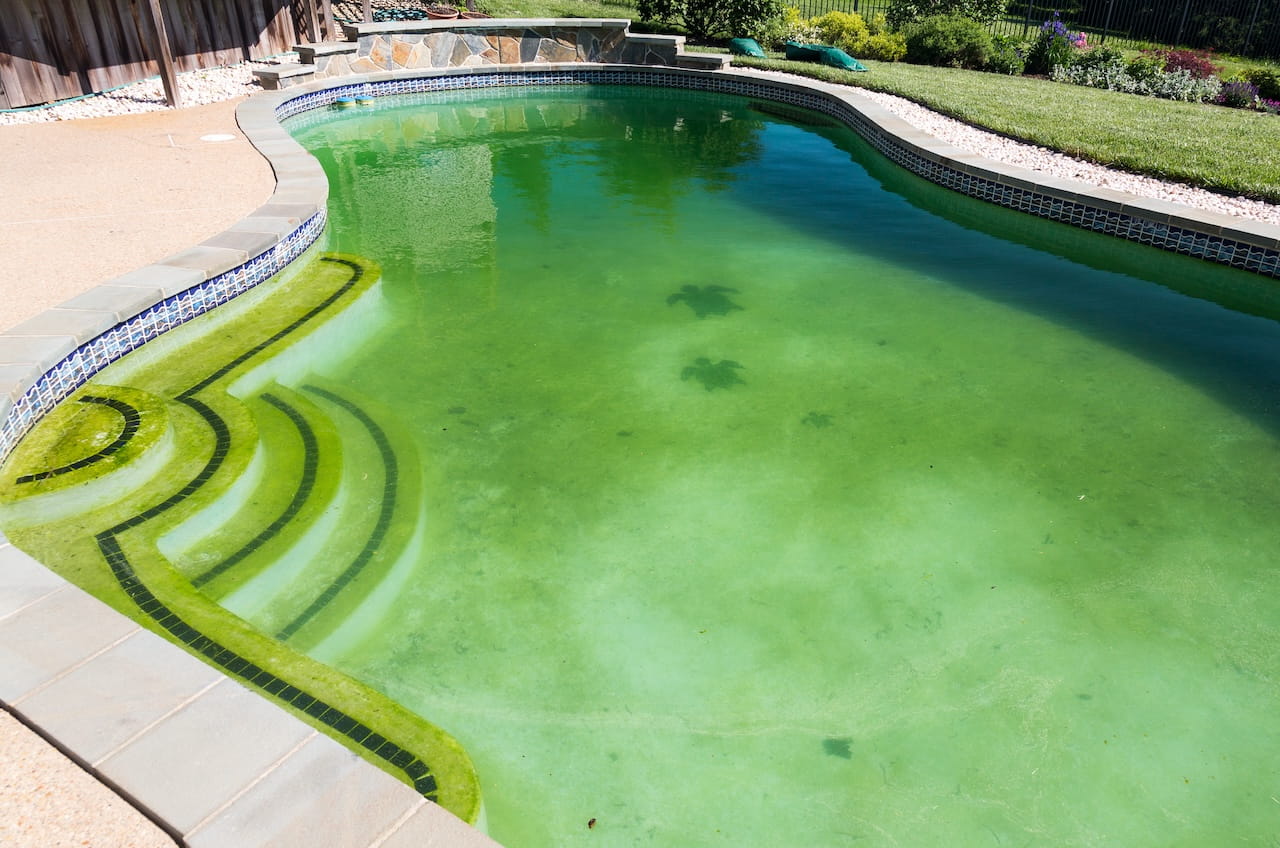
Before calling a professional, there are a few different safe checks homeowners can perform themselves. One of the easiest ways to learn how to tell if your pool has a leak is to monitor the water level over 24 hours and look for signs like wet ground, air bubbles, or ongoing water loss.
Use tape or a grease pencil to mark the water level, then compare it 24 hours later.
Sometimes leaks only occur while the system is running. Comparing water loss with the pump operating versus shut off can provide useful clues.
Look around:
Pay attention to visible moisture, loose fittings, or erosion.
Check the pool shell, coping, tile lines, and decking for cracks or separation.
These checks may help identify obvious issues, but homeowners should avoid attempting major repairs themselves, especially if underground plumbing is involved.
Soft ground around pool areas often indicates underground water movement.
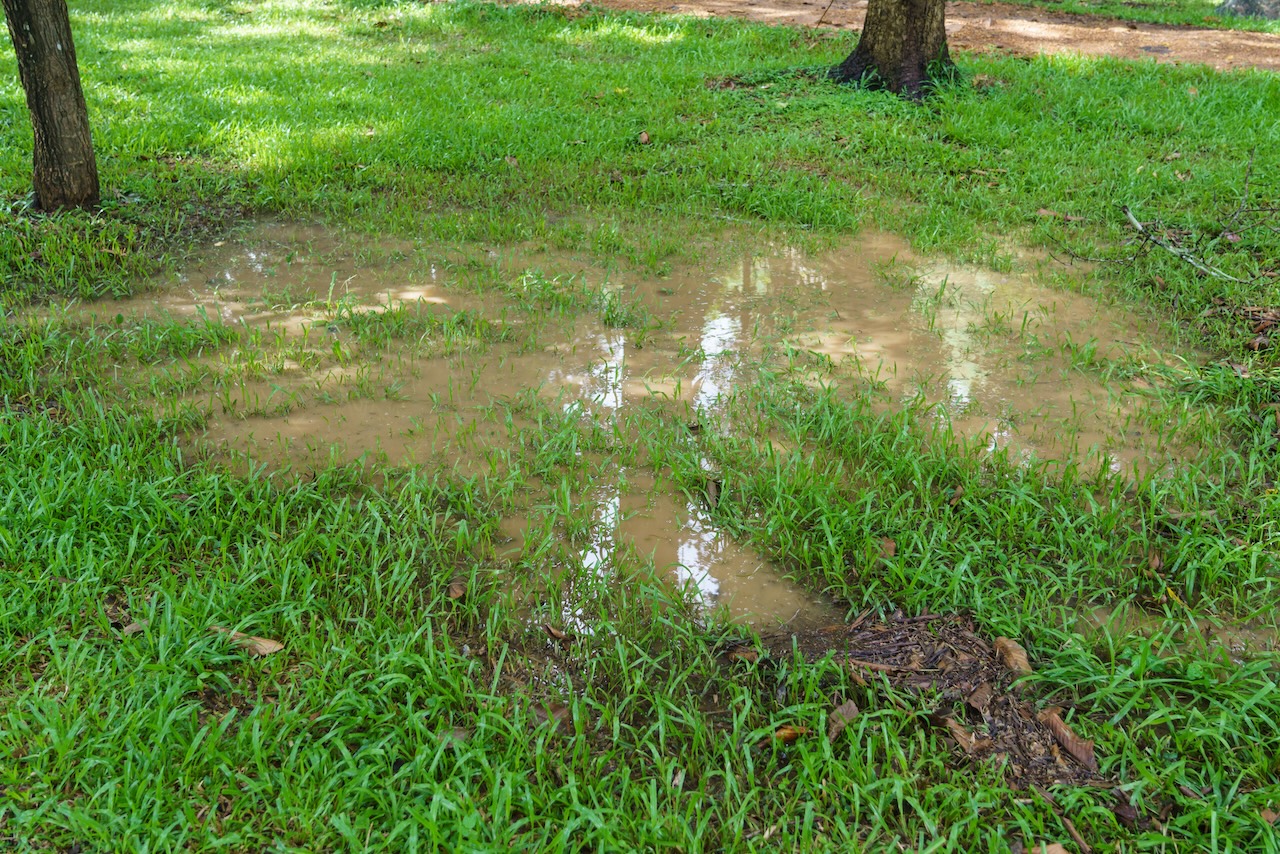
Some leaks are extremely difficult to locate without specialized equipment. Underground plumbing, fittings behind walls, damaged returns, or leaks beneath the pool deck often remain hidden from view.
This is where professional pool leak detection service becomes important.
Experienced technicians can identify the source without unnecessary digging or damage to surrounding landscaping and hardscaping.
Professional swimming pool leak detection uses several diagnostic methods to pinpoint hidden leaks accurately.
The process may include:
Pressure testing helps determine whether underground plumbing lines are losing pressure. Dye testing allows technicians to trace smaller leaks around fittings, lights, steps, or cracks. Electronic detection tools can locate leaks hidden beneath concrete, landscaping, or underground plumbing systems.
For homeowners searching for Minneapolis pool leak detection, working with a team experienced in regional weather conditions, freeze-thaw cycles, and varying pool systems can make a significant difference in diagnosing problems correctly.
Ignoring a leak can lead to much larger issues over time.
Water escaping underground may affect:
Leaks can gradually erode soil beneath the pool or surrounding surfaces, increasing the risk of structural shifting and expensive repairs.
Homeowners investing in outdoor upgrades through services like Tracer’s pool installation solutions or Tracer’s landscaping and design services should prioritize early leak detection to help protect the surrounding outdoor environment.
Early detection can also make pool leak repair simpler and less expensive before the problem spreads beneath the decking or surrounding landscaping.
Professional leak detection requires experience, specialized equipment, and an understanding of how different pool systems operate.
Tracer’s approach focuses on:
Choosing a local company familiar with regional conditions can also help identify issues caused by seasonal ground movement, winter damage, or aging underground plumbing.
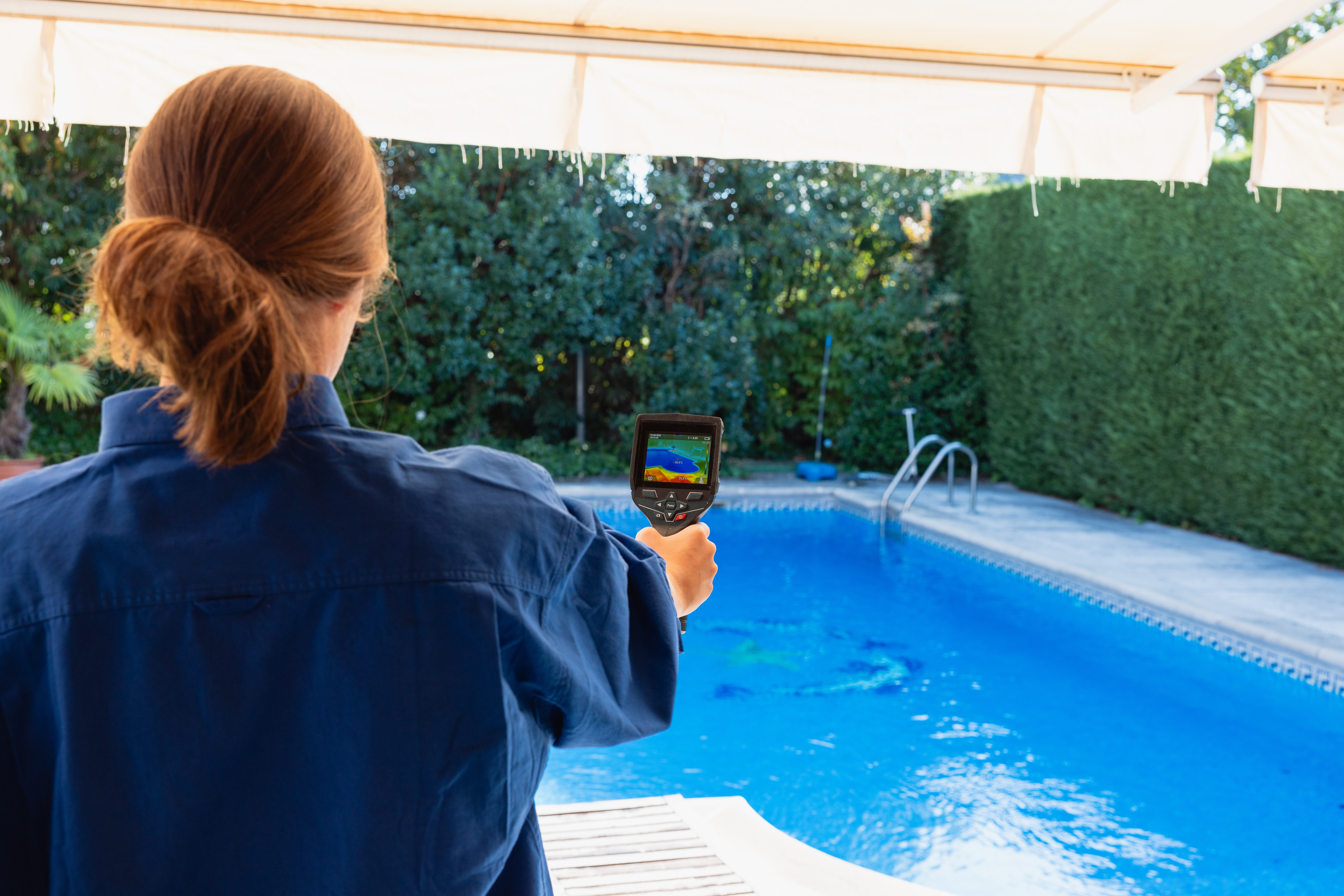
If your pool losing water situation seems more serious than normal evaporation, it’s better to investigate early rather than wait for damage to spread. A hidden leak can affect far more than the pool itself, including plumbing, landscaping, patios, and surrounding soil stability. Whether the issue is minor or more complex, identifying the source early can help reduce repair costs and keep your pool operating properly throughout the summer season.
Normal evaporation is usually gradual and influenced by heat, wind, and sun exposure. If water loss continues during cooler weather or is accompanied by soft ground, cracks, or pump air bubbles, a leak is more likely.
Most pools lose about 1/4 inch of water daily due to evaporation. Greater loss may indicate a leak.
Yes. Many leaks occur in underground plumbing lines, beneath the pool shell, or under surrounding decking and landscaping.
Common warning signs include:
Yes. Ongoing water loss can disrupt chemical balance, making it harder to maintain proper sanitation and increasing the likelihood of algae growth.
If basic checks don’t explain the water loss, professional Minnesota pool leak detection can help locate hidden problems accurately and prevent unnecessary damage.
Most inspections can be completed within a few hours, although larger pools or difficult underground leaks may require additional testing.