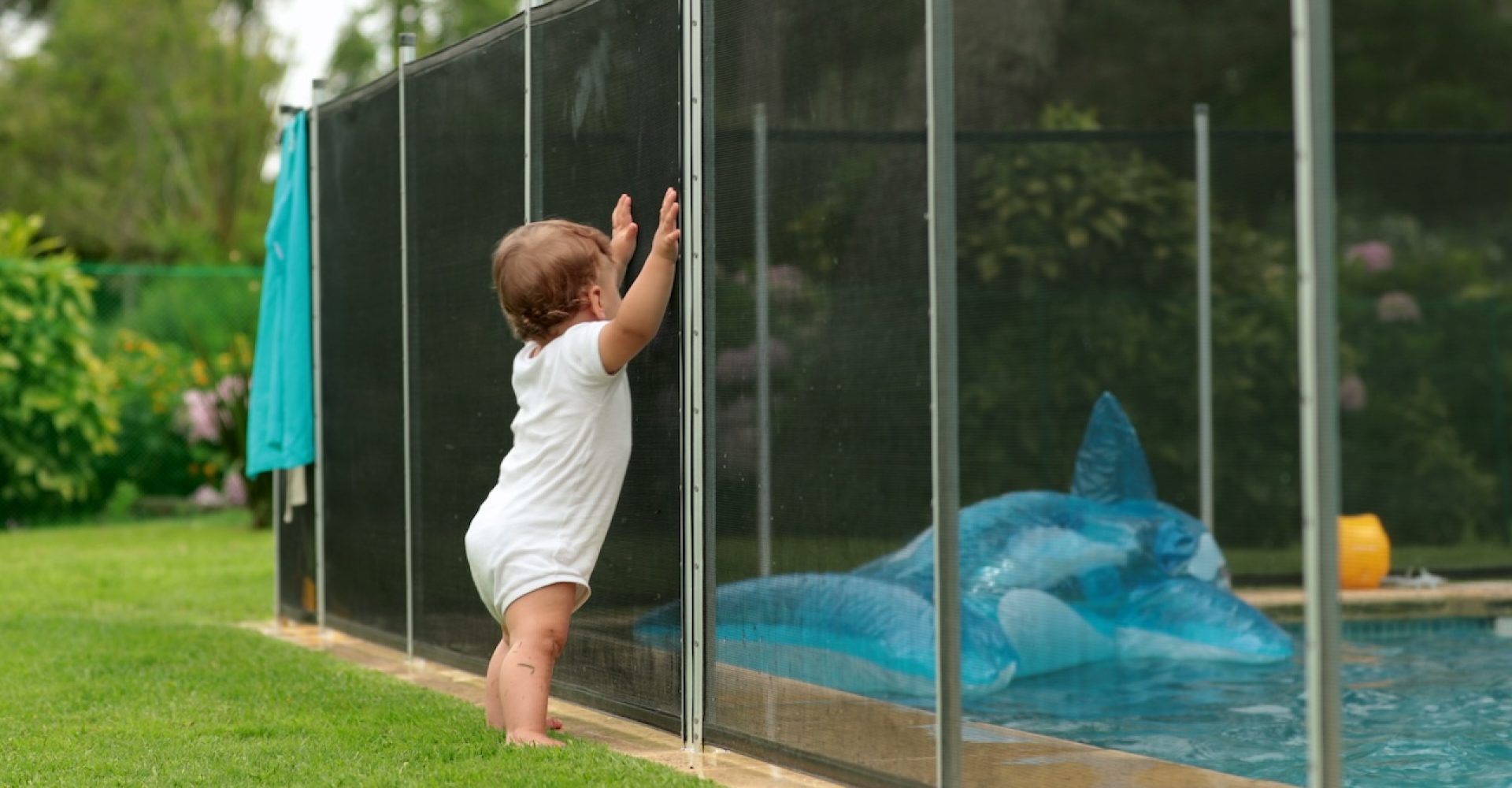
Minnesota homeowners love their backyard pools. They host summer evenings, kids dive in without hesitation, and friends gather for weekend cookouts. But before you plant trees or design your lounge area, one decision matters more than the rest: pool fence installation.
A pool fence acts as a safety tool. It controls access to water, and when you install it correctly, it minimizes risk, satisfies code, and protects your loved ones every day of the year. Read on to discover how to choose the right pool fence for your Minnesota home, considering both safety and style.
Before we jump into barriers, fencing materials, and safety hardware, let’s address a few Minnesota-specific realities.
Before starting your project, contact your local building department directly and ask:
First, the pool permit requirements Minnesota homeowners must follow vary by city. You must confirm local rules before you begin and verify specific pool fence requirements with your building department.
Second, Minnesota freeze-thaw cycles move the ground. That movement affects posts, gates, and long-term alignment. Successful pool fence installation requires careful planning for shifting soil and winter conditions.
A quick five-minute phone call could prevent a costly redesign later. With that covered, let’s talk about barriers.
The U.S. Consumer Product Safety Commission defines a barrier as anything that secures a pool by limiting access. A fence remains the most common solution, but other options may include:
Pool barrier code exists for many reasons. Often referred to as “pool fence safety code,” these regulations exist to prevent accidental drownings through responsible barrier design and clear pool fence requirements. A properly designed child-safe pool fence makes that access as difficult as possible.
Before you compare materials or layouts, make sure your design satisfies basic safety benchmarks.
Here’s a simplified checklist many inspectors reference:
If your fence fails any one of these items, it can fail inspection.
Will you use your house as one side of the barrier? Or will you install a 4-sided pool fence?
Pros:
Cons:
When you rely on the house as part of the barrier, you depend on consistent human behavior and strict adherence to pool fence requirements.
Pros:
Cons:
Both methods can pass inspection when installed correctly. Many homeowners use the house as part of the barrier. However, when children regularly use the pool, we strongly recommend a four-sided enclosure. It adds a physical layer of protection that doesn’t depend on memory or routine and aligns more reliably with modern child-safe pool fence best practices.
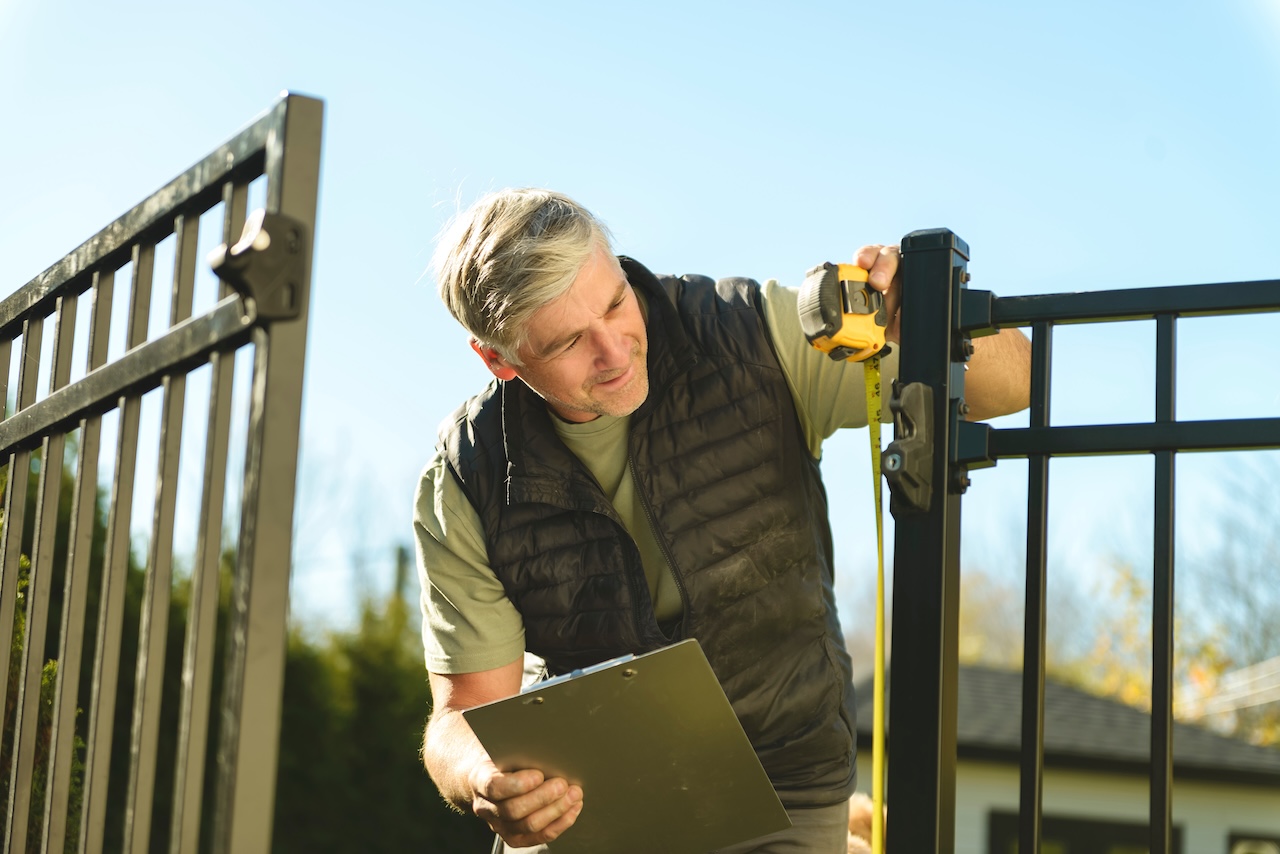
If we had to choose one rule for pool barriers, it would be this: your gate must close by itself and latch by itself.
Every gate must function as:
Even well-built gates fail when maintenance gets ignored. The most common issues we see include:
When any of these occur, a self-closing gate may stop latching consistently, and that violates basic pool fence requirements.
Unless you bury your pool underground, Minnesota winters will affect your fence.
Freezing and thawing cycles shift the soil. Posts move. Gates fall out of alignment. A gate that rubs will not close properly. A gate that fails to latch defeats the entire barrier and violates basic pool fence requirements.
Snow drifts block gates. Guests may lean gates open when they cannot move snow easily. Both situations compromise safety.
Fence materials alone cannot solve poor layout or weak installation. Gates anchor at critical connection points, and those corners shift most over time. If you install a removable mesh pool fence, wind can move panels as well.
Reliable pool fence gate hardware and precise installation matter more than the material you choose.
If you’re searching for reliable pool fence installation or residential pool safety fences in Minnesota, consider Trader. We handle full installations and can guide you from layout to inspection-ready completion.
Barriers are never one-size-fits-all. Your pavilion spaces, make sure the fence design supports how people naturally move between those areas without creating blind spots or awkward access points.
Some homeowners choose to enclose landscape water features. While not always required, you may want to consider it. Tracer Pool & Landscape can help guide your permitting and placement decisions.
Installing your fence tight to the pool minimizes the space you need to secure. Fencing an entire yard creates additional entrances and exit points. More access points create more opportunities for mistakes and spacing violations under pool fence spacing rules.
Pool patios, cabanas, and waterfall features influence barrier placement. You must ensure structures do not interfere with gate swing, latch access, or required pool fence height requirements.
You can incorporate plants and trees into your overall barrier design. However, avoid creating sudden steps at the top or bottom of fencing.
Don’t allow landscaping to:
When we design barriers, we evaluate how landscaping interacts with fence placement. Decorative materials will not fix flawed design. A properly aligned wood pool fence around pool areas still fails if it violates spacing or climb standards. Safety must lead every decision.
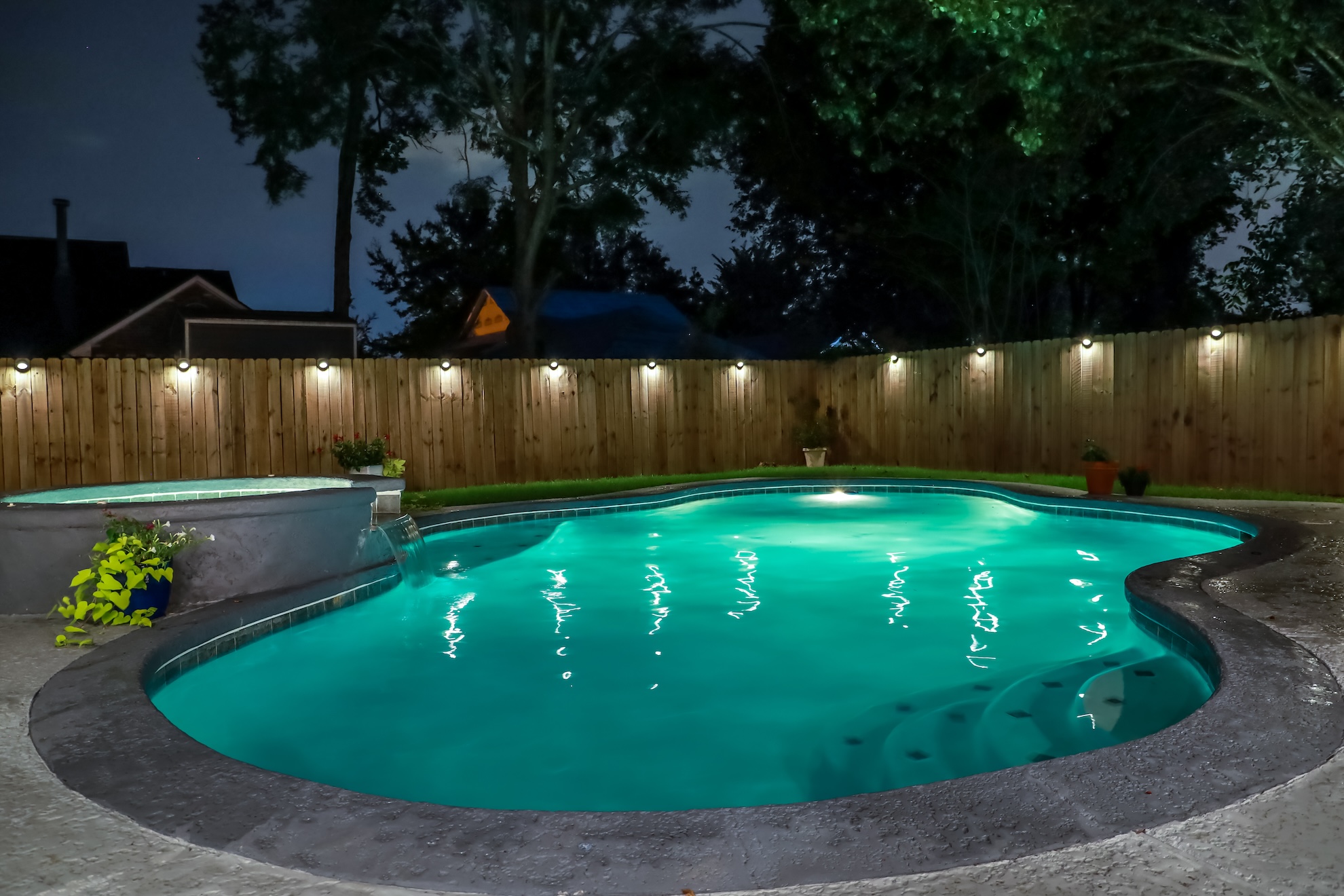
Pool fence ideas modern in style should also be durable and easy to maintain.
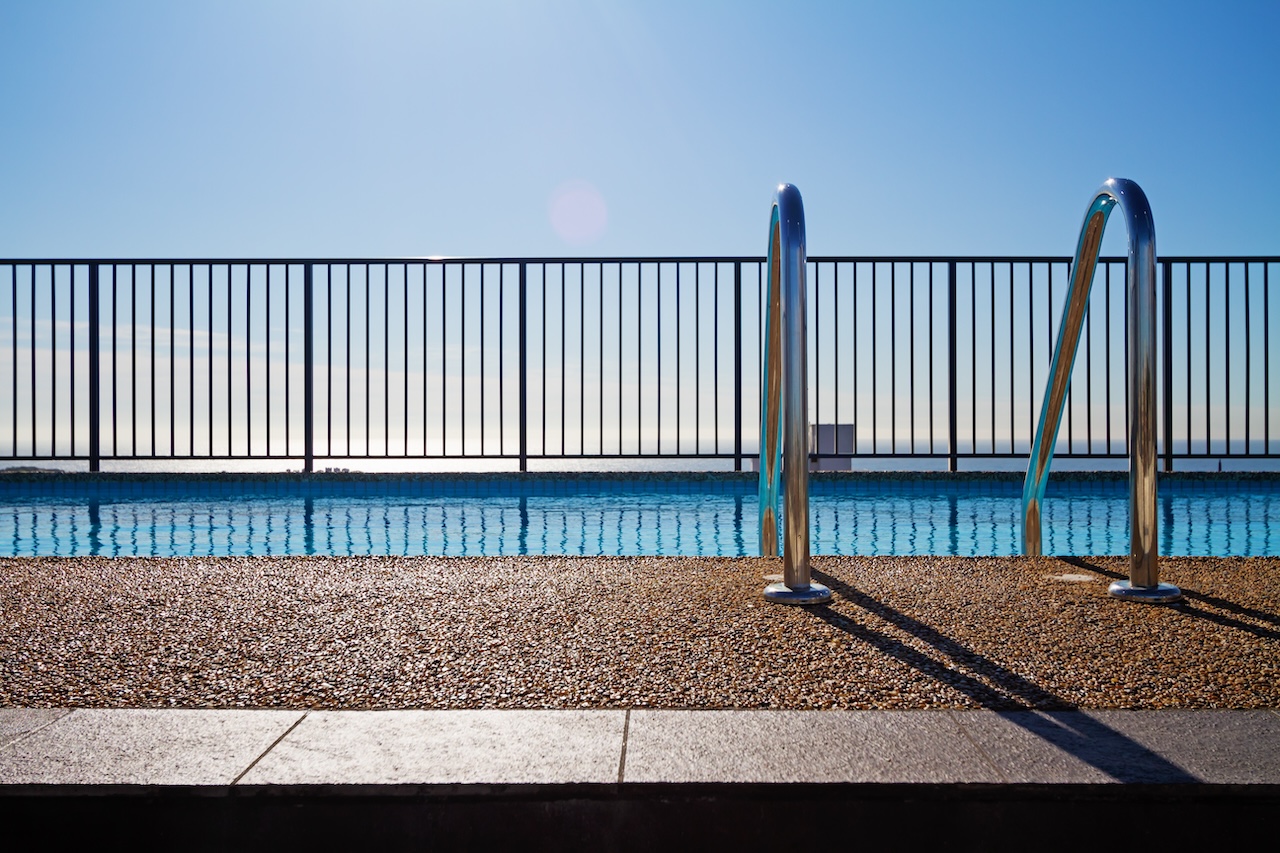
An aluminum pool fence offers clean lines, visibility, and low maintenance, plus it supports many modern layouts and can adapt to pool fence height requirements.
A vinyl pool fence offers strong pool fence privacy ideas. You just need to confirm that panel construction still meets spacing and height standards.
A wood pool fence delivers warmth and design flexibility. Proper installation ensures boards remain aligned and compliant with spacing rules.
A glass pool fence creates a high-end look while maintaining visibility. It pairs well with contemporary pool fence ideas modern homeowners love, but it must still meet structural and latch performance standards.
Removable mesh systems are another option some homeowners consider for seasonal flexibility. These fences use anchored sleeves in the concrete and mesh panels that can be removed when not in use. They can qualify as a child-safe pool fence when installed correctly, but they require proper anchor spacing, secure tensioning, seasonal inspection of sleeves and poles, and consistent reinstallation before pool use. In Minnesota, wind exposure and winter storage conditions can affect long-term durability. If you choose removable mesh, commit to maintaining it carefully so it continues meeting local pool fence requirements year after year.
No material eliminates the need for correct installation. Hardware, spacing, height, and alignment determine long-term performance.
Read Also: Best Winter Pool Covers for Minnesota: Types, Snow-Load Tips, and Care
Homeowners often ask about pool fence installation costs before discussing layout. Cost depends on:
Gate count and complexity influence pool fence installation cost more than most people expect. Wider gates require stronger framing and higher-grade hardware.
DIY installation may reduce upfront expenses, but errors in gate placement, latch height, or spacing often lead to inspection failure. Professionals like Tracer Pool & Landscape understand local pool fence requirements, climate challenges, and structural details.
If you feel overwhelmed by your options, use this four-step approach:
Verify local pool fence requirements, height standards, spacing rules, and latch placement regulations.
Do you prefer an open look like an aluminum pool fence or glass pool fence? Or do you need stronger pool fence privacy ideas with vinyl or wood?
Select materials and hardware that withstand freeze-thaw cycles, shifting soil, and snow loads.
Factor in total linear footage, gate count, terrain challenges, and projected pool fence installation cost.
When you follow that order, you avoid designing something beautiful that later fails inspection.
Confirm pool permit requirements Minnesota cities enforce. Verify pool fence height requirements and spacing rules, choose hardware that performs in winter, and then select materials that fit your aesthetic vision.
Once you establish layout, durability, and compliance, you can confidently move forward with materials, finishes, and maintenance planning, and complete your pool fence installation knowing it protects what matters most.
Read Also: How to Safely Close Your Pool for the Off-Season
The fence should be close to the pool to be safest, but bear in mind driveways, stairs, patios, and landscaping, which all influence spacing.
While DIY gates cost less, wide commercial-grade gates cost more.
Permits and material availability affect timing. Plan for at least four weeks from decision to inspection. Demand also tends to increase in the spring, so order early.
Yes, you can, but professionals install fences every day. They understand code, alignment, and hardware requirements. Save time and protect your investment by working with experts.
Install gates where they direct guests logically toward entry points. Gates must not allow escape routes or unintended access paths.
Tracer Pool & Landscape installs residential pool safety fences throughout Minnesota. If you’re ready to explore options and learn about different styles, visit our fencing page or contact us today to start planning your pool fence installation with confidence.
Many municipalities require a minimum of 48 inches, though some local codes may require more. Always verify specific pool fence height requirements in your city before installing.