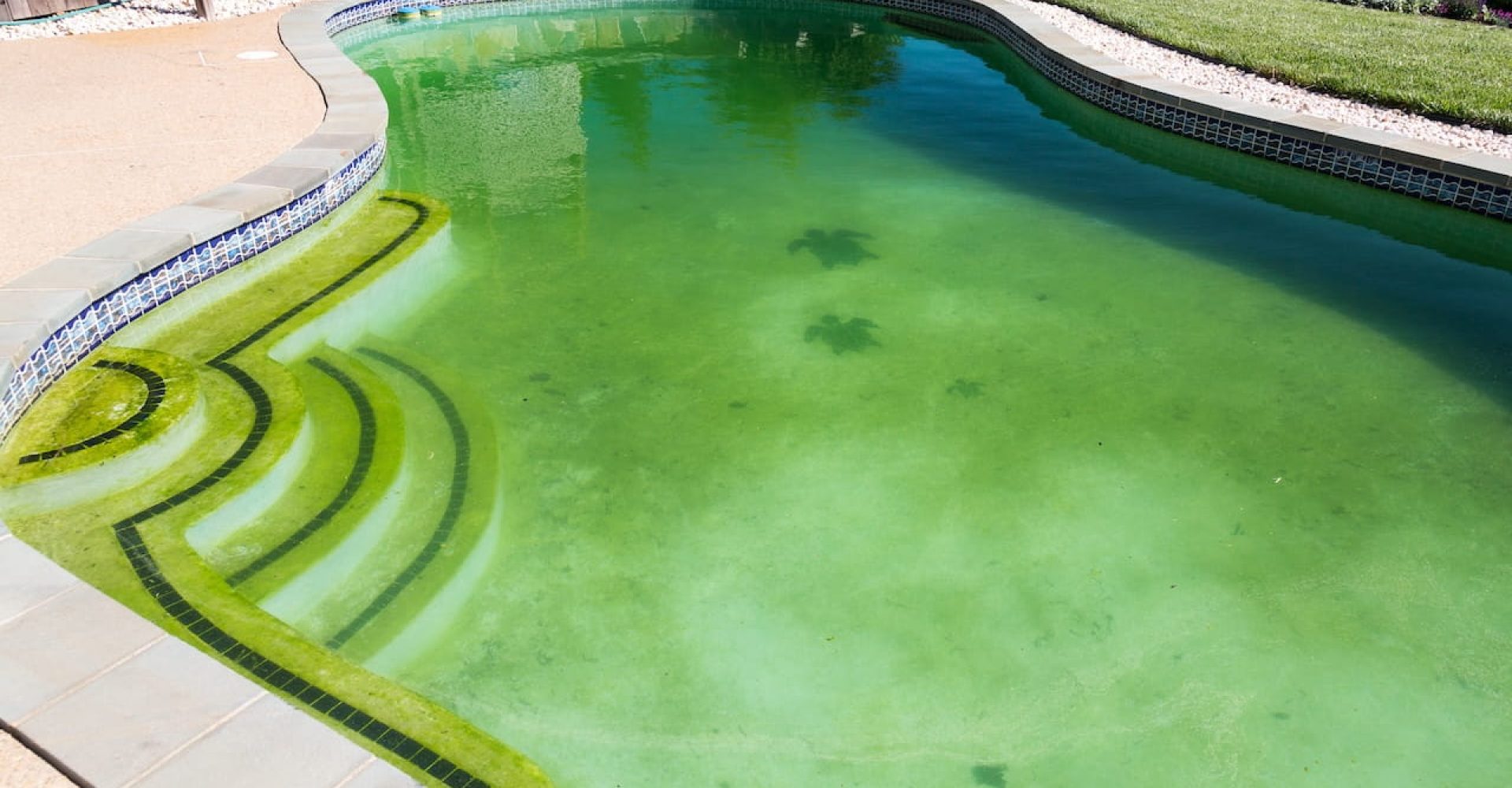
Clear water doesn’t necessarily guarantee a clean pool. Trouble can build under the surface and make water appear fine. When weekly maintenance doesn’t fix the problem, it’s time to book a deep cleaning pool service.
In this guide, you’ll learn exactly what a pool deep clean includes, how it differs from weekly maintenance, and how to know when your pool needs a reset. And, if you’re still deciding on the right setup for your pool, learn about Tracer Pool & Landscape’s pool installation options.
When you perform pool maintenance consistently, you’ll keep your pool sparkling all season long. But when your water doesn’t respond to your normal routine, you need more than maintenance, you need a reset.
Your regular pool cleaning checklist should include:
Remove leaves, bugs, cottonwood fluff, and pollen before they have a chance to sink. When you skim the pool surface early, you reduce strain on your skimmer and filter basket, and prevent debris from breaking down into fine particles that cloud your water.
Make brushing pool walls part of your weekly routine to stop algae before it spreads. Spend extra time on steps, corners, behind ladders, shady areas, and along the waterline.
After brushing, vacuum to remove any loose debris. If debris returns quickly, it usually means you need to check the circulation or filtration instead of vacuuming again.
Skimmer basket cleaning should be done regularly to prevent clogs. Clean baskets allow your equipment to run efficiently and keep your water clear.
Balanced water keeps your sanitizer working effectively. Routine testing of free chlorine, pH, and total alkalinity prevents cloudy pool water causes and even an algae bloom in pools. Read about how to reduce chlorine usage without sacrificing water quality.
To learn more about keeping your water in tip top shape all season, check out our swimming pool maintenance tips and how to choose the best low-maintenance pool.
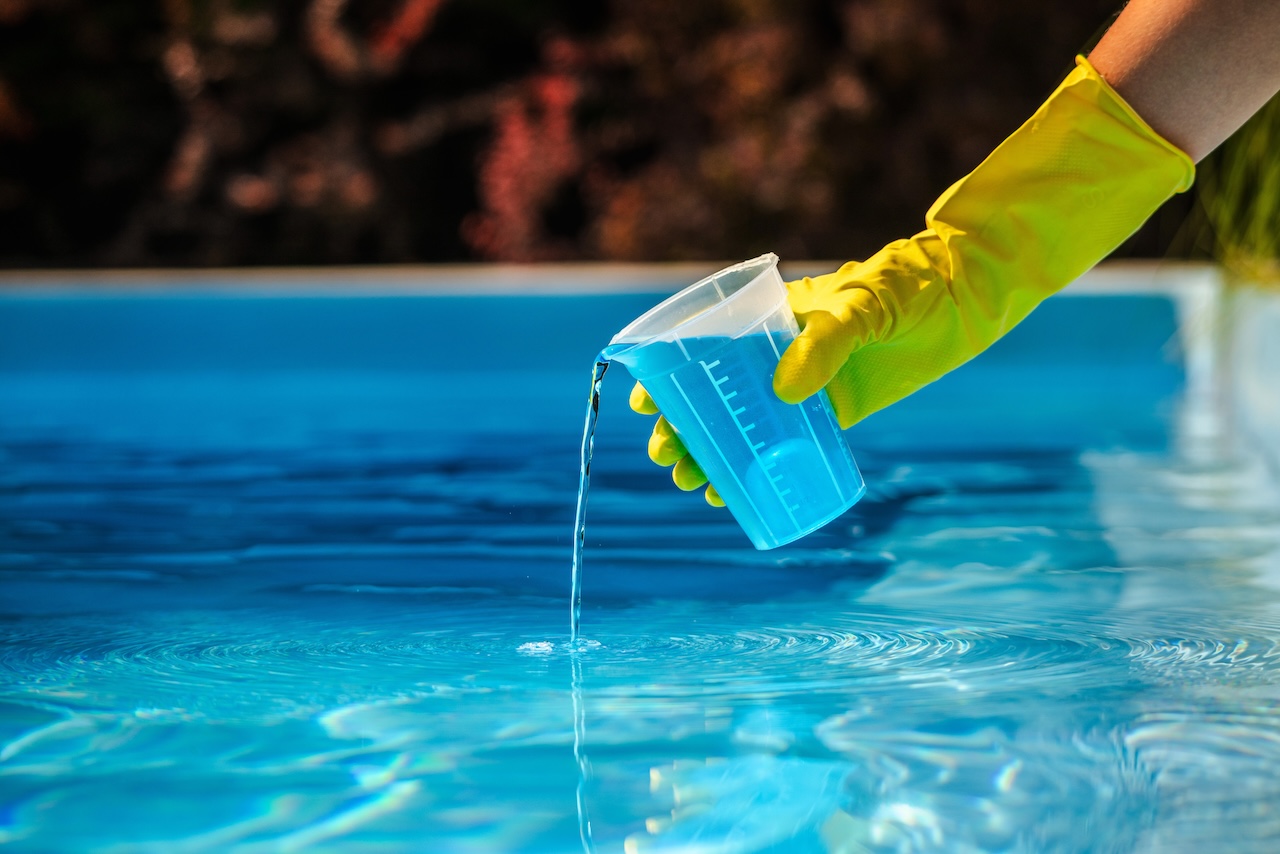
When your water looks off and weekly care hasn’t fixed it, follow these three steps.
Whether you need to clean pool filter cartridge elements, backwash sand filter media, or perform full DE filter cleaning, proper maintenance restores flow and clarity.
If you’re not sure which filtration setup is right for your pool, our guide to choosing the best pool maintenance system breaks down your options.
You must manually remove hidden algae, film, scum, buildup, and calcium scale pool deposits. Brush thoroughly and remove waterline scum before it hardens. Focus on places that hide algae, like behind ladders and under steps.
Most unsightly pool water falls into one of four categories: fine debris, early algae, circulation issues, or water chemistry imbalance.
After you deep clean your pool, you may need a pool shock treatment, compare pool clarifier vs flocculant options, adjust chemistry, or repair equipment, but always base your action on evidence, not assumptions.
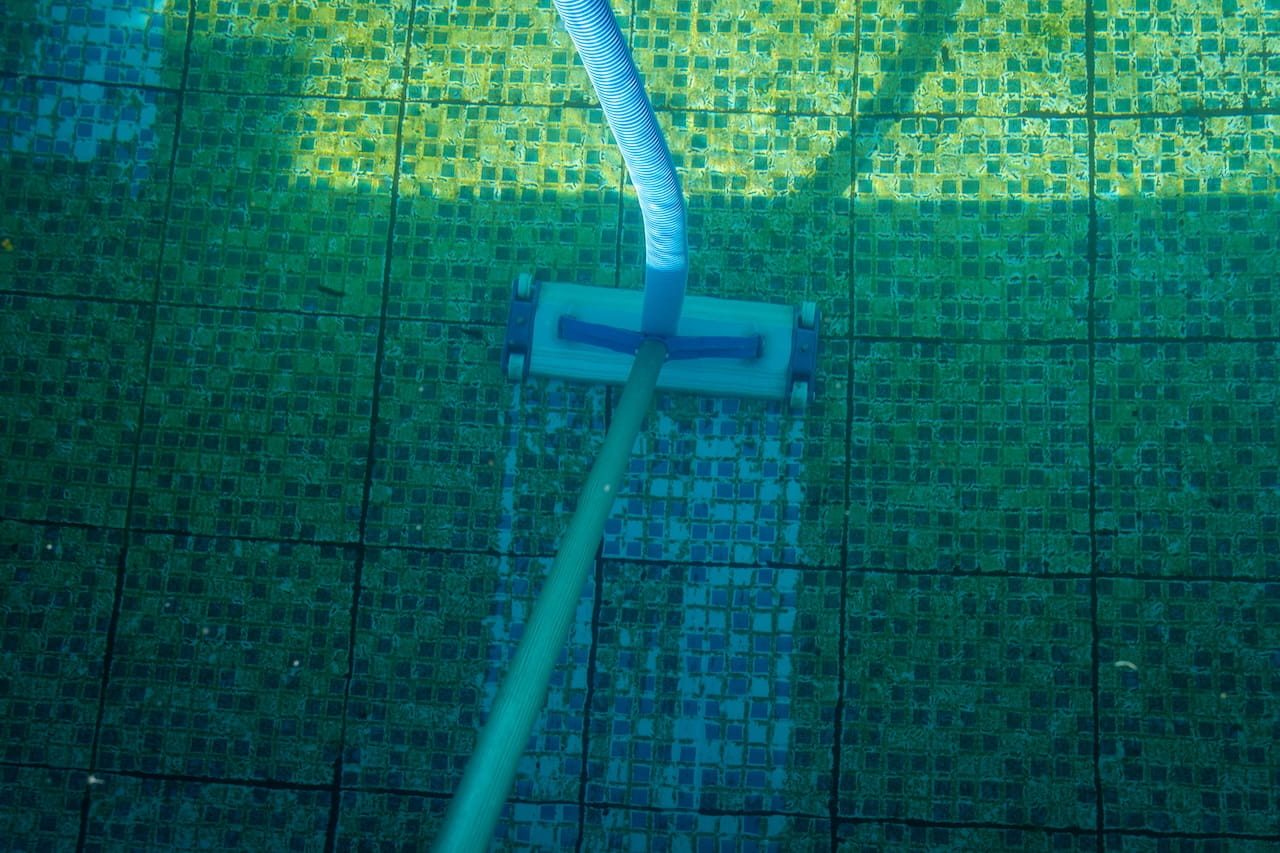
If any of these issues persist, reset your pool.
Fine debris, early algae, or improper chemistry often top the list of cloudy pool water causes. Clean thoroughly and balance your water properly to restore clarity.
If you feel slime on your pool walls, algae has already started forming. You might not see it yet, but you can feel it. Act quickly before it turns into a full algae bloom in pool water.
When you clean your filter, pressure should drop. If it climbs again quickly, dirty water continues flowing into your filter. Identify and fix the upstream cause.
When the same debris settles repeatedly, poor circulation likely prevents proper removal. In heavy debris situations, use a pool vacuum to waste setting to prevent overwhelming your filter.
A powerful odor usually signals a combined chlorine (chloramines) smell, not excess sanitizer. Oxidize your pool and rebalance the water to eliminate the issue.
Oils, sunscreen, dust, and pollen collect along the waterline. If buildup keeps returning despite weekly care, take extra steps to remove waterline scum during your deep clean.
Pool stains fall into three categories: organic, metal, and scale. Effective pool stain removal starts with identifying the source. Persistent staining or rough buildup often signals a calcium scale pool issue that requires a full reset.
Read More: The Benefits of Using UV Pool Sanitizers
Before you dedicate your weekend to cleaning, first diagnose the issue. Test your free chlorine, combined chlorine, pH, total alkalinity, and cyanuric acid.
Next, check circulation and whether return jets push water strongly, skimmers actively pull surface debris, your pump basket contains leaves or air, and whether debris settles in one consistent spot. Poor circulation often causes cloudy water.
Finally, confirm your filter type and clean it correctly. Each filtration system requires a different method.
Rinse the filter thoroughly and soak it occasionally to clean pool filter cartridge buildup from oils or calcium deposits.
Properly backwash sand filter media to flush out trapped debris.
Perform complete DE filter cleaning, including backwashing and recharging with fresh DE powder for optimal performance.
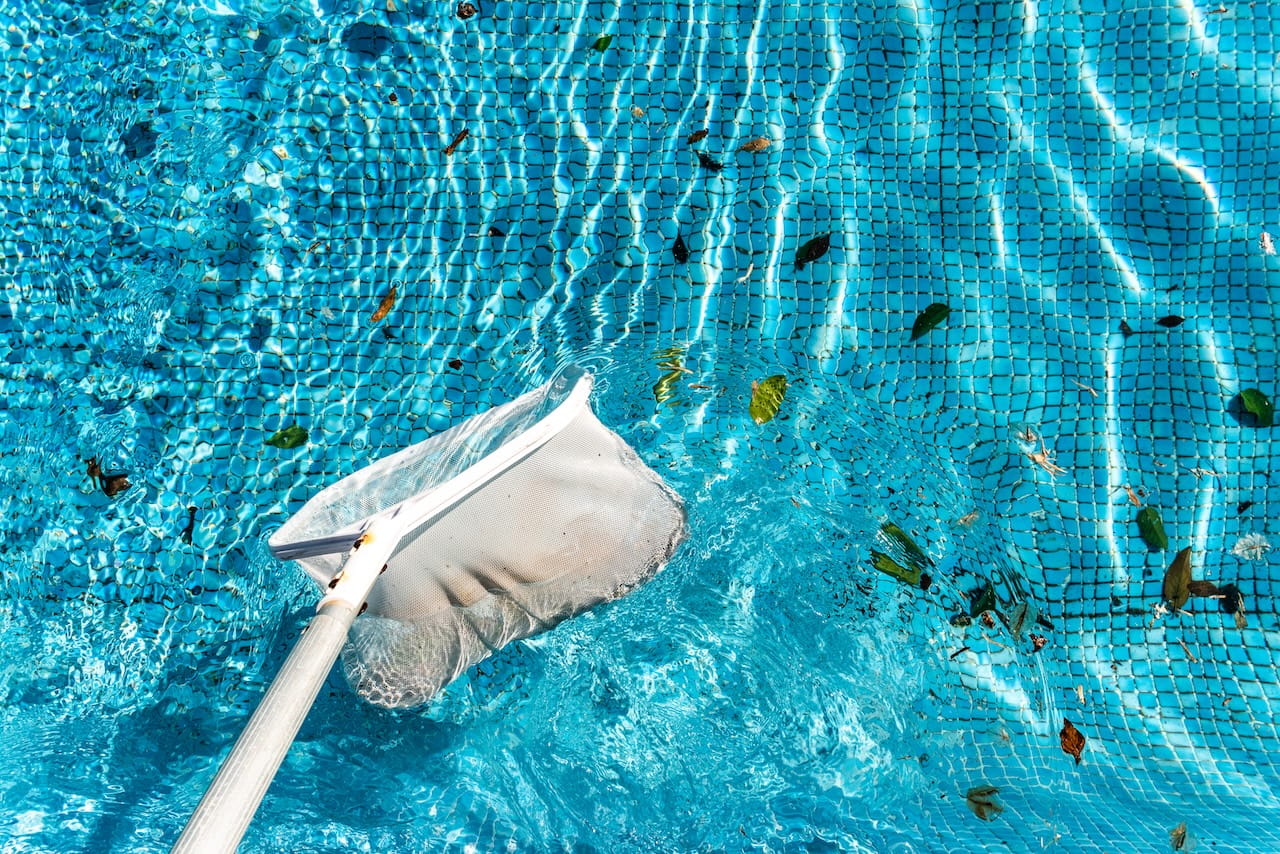
After testing and inspecting, follow this order:
Remove debris before it sinks to the bottom of the pool.
Start at the top of the pool and work your way down. Don’t skip hidden areas.
If your pool contains heavy debris or algae sludge, switch the pool vacuum to waste to prevent clogging your filter.
Restore suction before cleaning the filter.
Finish with the correct filtration step: clean pool filter cartridge, backwash sand filter, or perform DE filter cleaning, and confirm pressure improves afterward.
Waterline grime is a mix of sunscreen, body oils, pollen, dust, and airborne debris. Normal sanitizer levels will not fully remove it.
Use a pool-safe tile cleaner and a non-abrasive pad or brush designed for your pool finish. Avoid steel brushes or harsh tools that can scratch tile, vinyl, or plaster.
After cleaning, re-test your water. If algae persists, complete a proper pool shock treatment. If water remains cloudy but chemistry looks balanced, evaluate pool clarifier vs flocculant to determine the right next step.
If you’re still weighing your sanitizing options, see how saltwater and chlorine pools compare before making a change.
Call a professional if you face any of these issues:
Recurring green water signals the need for professional green pool cleanup. Algae hides in low-flow areas and behind fixtures, and incomplete removal allows it to return quickly.
If you suspect metals from well water, copper pipes, or heaters, hire a pro. They can test and treat your pool without locking stains into the surface.
Thick calcium scale pool buildup requires specialized tools. Professionals remove scale safely without damaging tile or finishes.
Weak pumps, air leaks, or failing filters prevent clear water no matter how much you clean. Professionals inspect and repair equipment properly.
A professional deep cleaning pool service should include thorough vacuuming and debris removal, brushing of problem areas, proper filter cleaning, water testing and same-day treatment, and clear follow-up plans.
See a full breakdown of how much pool maintenance costs so you know in advance.

In Minnesota, timing matters. Plan three key deep cleans each year.
Schedule a pool opening deep clean before swimming on opening day. Even if the water looks fine, winter leaves hidden debris and buildup behind.
Storms, cottonwood, and pollen overload your pool quickly. After heavy weather, reset your pool instead of just skimming. Read our tips on how to protect your pool from extreme weather.
Deep clean before covering your pool. Clean the filter and waterline so you don’t open to swamp-like water next season. Get the full checklist in our guide to safely closing your pool for the off-season.
Weekly cleaning maintains balance. Deep cleaning resets your pool.
Fine debris, algae, or imbalanced chemistry likely cause the problem.
Early algae growth causes slime. Brush and filter thoroughly.
Chloramines, and not excess chlorine, usually cause the smell. Oxidize and rebalance your water.
Vacuum to waste when you have heavy debris, algae sludge, or fine sediment.
If pressure rises quickly after cleaning, your filter may still be dirty.
Yes. Persistent buildup signals oils and poor circulation.
Organic stains respond to brushing and shock. Metal stains worsen with incorrect treatment. Scale feels rough and chalky.
Test free chlorine, pH, total alkalinity, and confirm circulation.
Expect thorough cleaning, water testing, and a clear follow-up plan.
After opening, after major storms or cottonwood season, and before closing.