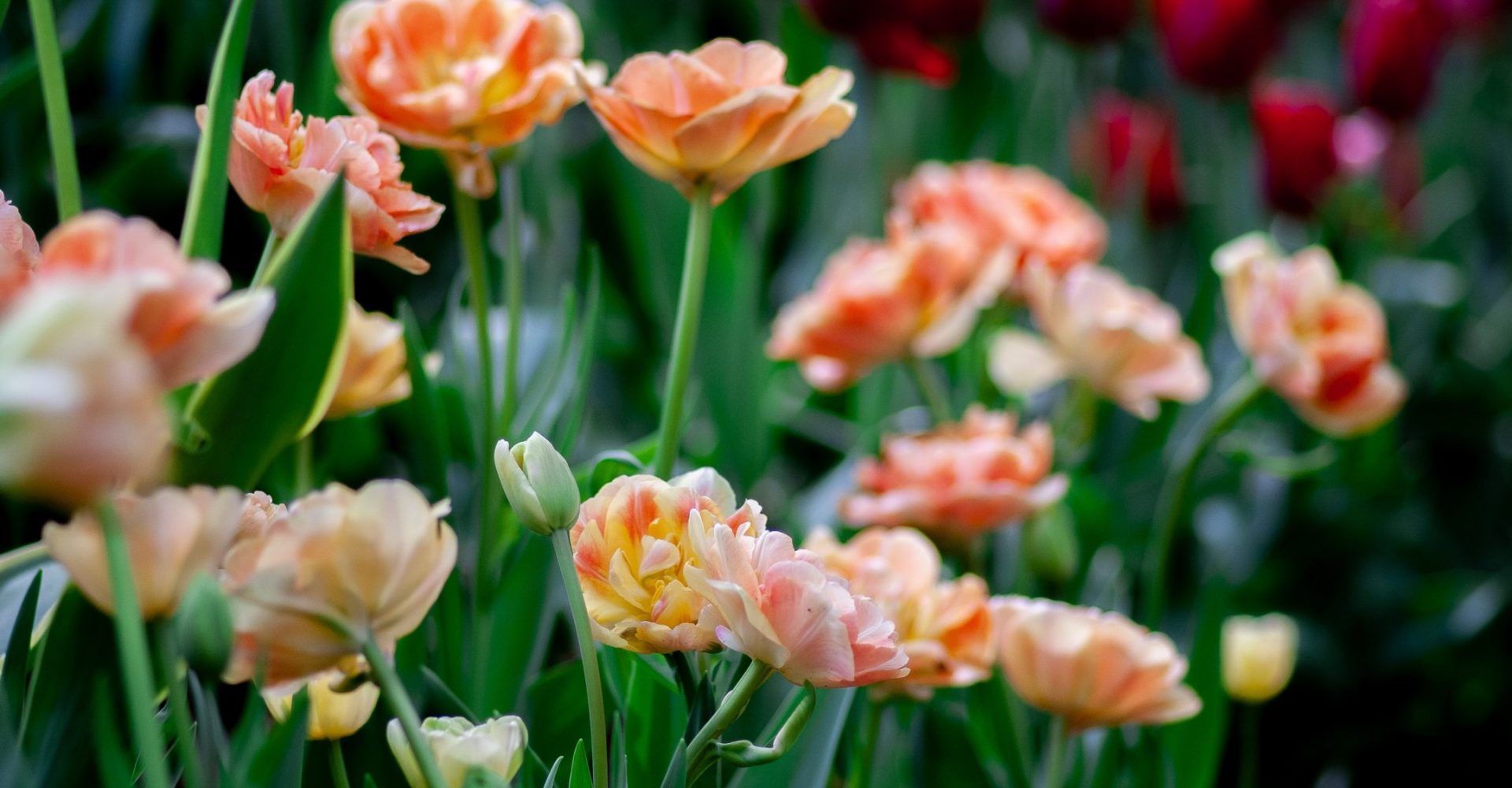
The winter months are a dormant time for most gardens, but when March arrives, the promise of the spring garden season arrives as well. Even in areas with persistent wintery temperatures and a snowy landscape, March is an excellent time to get ready for the months ahead. It is a time of planning, preparation, and early planting. A time to prime your garden for the busy growth season around the corner. Gardening in March may not fill your garden to do list with as much activity as the later spring months, but working down that list now reaps rewards later. Let’s dig into some March gardening tips that will seed your garden to bloom throughout the summer.
Gardening in March includes planning, prepping, and planting. Like most gardening, how these basics are carried out in the early spring depends on where you live. March is a fickle month when it comes to weather. It can come in like a lion and go out like a lamb, but just as easily do the opposite. In some parts of the country the ground thaws to let crocus, daffodils, and tulips break through the earth. In other places, the snow has not yet receded or may even become heavier and more frequent. When it comes to gardening in March, your geography and climate play a huge role. It affects how you plan, how you prepare, and how you begin planting.
Gardening in March begins with planning for the upcoming growing season. This can include ordering seeds, cleaning and sharpening your tools, or researching and sourcing new perennials, shrubs, or trees.
One of the most helpful garden planning tools is to keep a gardening journal. If you already keep one, March is a great time to update your entries and review them to make decisions about your planting season. If you do not have a gardening journal, March is an excellent time to begin one. If you have saved your past garden receipts, seed packets, or plant tags, then you have what you need to get started. Keeping a record of your gardening through the seasons allows you to continue to improve your garden year after year.
Some things to record in your gardening journal include:
A garden journal is a useful tool for keeping your garden thriving, healthy, and up to date. It can also get you dreaming about a garden redesign. If you are thinking of redesigning or expanding your garden this year, then your to-do list for gardening in March should include searching for landscape contractors near me.
Landscapers work on a seasonal calendar. The earlier in the season you connect with a landscape contractor the better. March is a perfect time to contact a landscaper for any work you want completed this growing season. It will give you time to find the right contractor to fit your needs and budget. It will also allow enough time for your landscape contractor to put your redesign into motion and make your new garden a reality.
Great soil is the foundation of a great garden. Learning about your soil is vital to planting a thriving garden and another part of early spring planning. March is an ideal time to get your soil tested. You can send a sample to your local cooperative extension office to test for pH levels and other nutrients. Some states charge a small fee for this testing. Some universities also have testing laboratories or you can get a home kit from a home improvement center. The purpose is to discover what nutrients you may have to add to your soil to make it optimal for growing.
Another one of the basics of gardening in March is preparation. As winter gives way to spring, the ground begins to reveal what has remained dormant for months. It is an important time to clean up winter debris and prepare the way for the growth to come.
In cooler climates, make way for new growth by:
In more temperate climates, you can encourage the new growth underway by:
Once you start gardening in March with all its planning and prepping, you can start to get the itch to start planting. It is the final part of spring gardening basics. What to plant in March depends very much on predictable outside temperatures and whether or not the ground has thawed and sufficiently warmed.
Gardening in March can often mean indoor planting where you can sow seeds for bedding plants. You can buy seed starting kits or use a more do-it-yourself route. Either way, you need small containers with drainage holes, a warm indoor spot with sunlight, good soil, and seeds. Investing in a grow lamp can bolster success.
Some flower seeds to plant in March indoors include:
If you live in a more temperate climate, the weather can turn frost-free by the end of March and planting outside can begin. Under these milder conditions, the best flowers to plant in March are forced bulbs, black-eyed Susan, or roses. You can also harden off seedlings and set them outside.
Shrubs are often the first thing to push through the thawing ground and may have you thinking, what shrubs can I plant in March? Spring and autumn are considered the best times to plant trees and shrubs. If temperatures are predictably frost-free and the ground is warmed, the best shrubs to plant in March are broadleaf evergreens. These include hollies, rhododendrons, mountain laurel, and a variety of boxwoods.
The cool, moist weather found at this time of year in milder climates also make it an ideal time to plant flowering trees or fruit trees. In any climate, however, trees always do best if planted after the soil is warmed for a while. In some areas, March may be too early to risk planting trees. In warmer areas, some ornamental flowering trees that bring a lot of color to a garden include cherry blossom, redbud, dogwood, or magnolia.
Trees that bear fruit to plant in March include:
Again, with fruit trees, as with ornamental flowering trees, it is important to make sure the ground has time to warm before planting. This may include removing mulch from the area you want to plant your new tree. This gives the soil more direct exposure to the warming sun.
For any gardener, the best part about gardening in March is the anticipation of the fun that is coming in the months ahead. If you enjoy planting and tending your garden, March is a month of not only planning, preparing, and early planting, but of dreaming too. Getting your hands into the dirt, nurturing what you sow, and enjoying the color and beauty it brings is what gardening is about. March is the beginning of the joy to come. Contacting a landscape contractor in early spring can add to this anticipation and the joy of a beautiful, thriving garden.