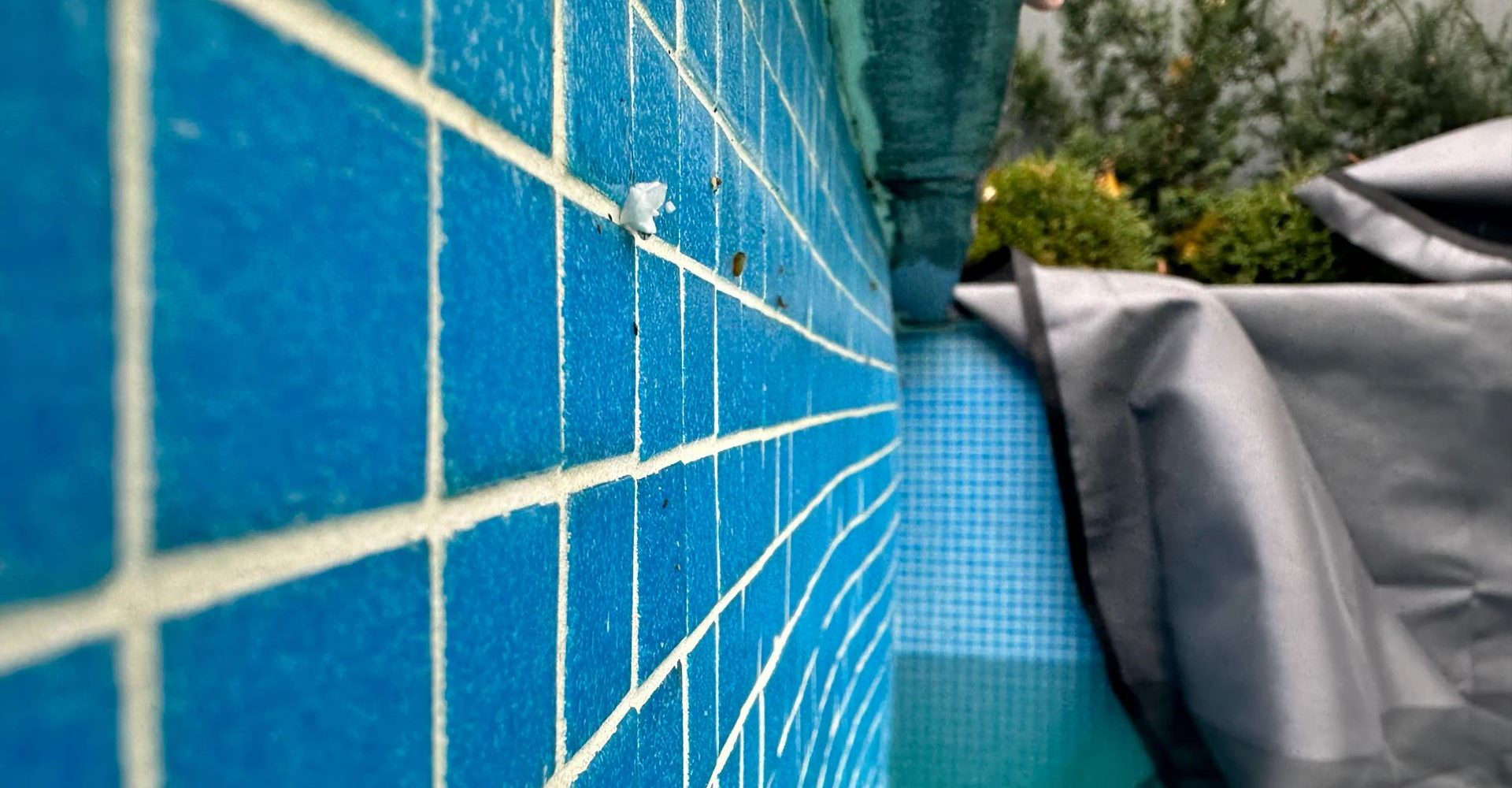
Fiberglass pools have grown more popular over the last decade, especially in the mid-range pool market. Competitive pricing, a relatively quick installation time, and improved materials have all contributed to the attractiveness of fiberglass pools for homeowners and property investors. Even with the growth in popularity of fiberglass pools, problems with them do still exist. If you are a fiberglass pool owner or are thinking of installing one, knowing common fiberglass pool problems and their solutions is key to enjoying your pool for years to come.
No pool is without its problems. Fiberglass pools are no exception. Let’s take a look at:
To better understand fiberglass pool problems, let’s first start with how this type of pool is made. Since some fiberglass pool problems can be traced to the manufacturing, learning about this process can be helpful.
Fiberglass pools are made as one very large molded piece, referred to as a shell, which is delivered and then inserted into a hole in the ground, referred to as the pool foundation, by a professional pool installer. The pool shell is manufactured through a multi-step process.
First, the pool pattern or plug is created with a wood or steel frame covered in fiberglass, filler, and a primer. Next, the plug is used to create a mold or shell allowing for the creation of a one-piece pool shell insert. This shell is then covered with a gelcoat, made from colored resin and applied in three separate layers. This is how fiberglass pools get their color.
There are different gelcoat colors available, but most are in shades of blue, ranging from a light cool blue or intense grey to a tropical turquoise or dark warm blue. This color is chosen in the manufacturing process.
After the gelcoat application, a layer of vinyl resin is sprayed on the shell before the first coat of chopped fiberglass is applied. Once the first layer is cured, a second layer of chopped fiberglass is added and rolled to prevent air bubbles. This process of applying, rolling, and curing layers of chopped fiberglass is repeated five times, adding strength and durability to the pool.
Between the second and third layers, a hand laid layer of fiberglass is applied to areas where the fiberglass needs to be thick, such as corners and seams. Between layers three and four, vertical strips of honeycomb core are inserted along the pool walls to increase the pool’s structural integrity.
Properly executing these steps ensures a fiberglass pool’s strength and durability in holding large quantities of water. The manufacturing process matters and if done improperly can lead to problems down the road. Fiberglass pools can last between 20 to 30 years, on average, and sometimes longer, but over time some fiberglass pool issues can occur.
When it comes to fiberglass pools there are five common pool problems to watch out for.
These problems include:
Let’s dig into each of these top fiberglass pool problems.
The surface of your pool wall can develop a visible bulge or bump along its otherwise smooth surface. This is caused by pressure imbalances between two sides of the pool. This can occur by:
A pool bulge can lead to other issues, such as cracks and eventual leakage, and should be addressed quickly.
Fiberglass pool cracks often show up as what is known as spider cracks because they start at a center point and gradually fan out like a web. Spider cracks are usually caused by the breakdown of the pool’s thin gelcoat layer or by excessive pressure on the pool shell. This can occur during shipping or improper installation, usually when leveling the pool shell into the foundation. Faulty manufacturing can also be the source of spider cracks along with exposure to sunlight and temperature fluctuations. These small gelcoat cracks in fiberglass pools do not undermine the pool’s structural integrity, but if not repaired can allow dirt, water, and air to seep into the gelcoat and cause further damage.
Fiberglass pool fading and discoloration is another common problem with the pool’s gelcoat layer. It can be caused by different factors, including sun exposure, improper chemical balance in the pool water, and regular wear and tear over the pool’s lifespan. Fading or staining can be caused by the accumulation of small dirt and debris particles or chemical residue that build up over time. Much of this can be traced to maintenance issues or sometimes to faulty manufacturing. Lighter pool colors tend to experience a less noticeable fade.
Issues with a pool’s plumbing can happen with any type of pool. With fiberglass pools plumbing problems that lead to leaks often happen when the plumbing underneath the pool has settled. Sand pool foundations will self-compact over time, which can cause pool plumbing pipes to become misaligned. These misaligned pipes can crack or become disconnected, causing water to leak from the pool and damage the surrounding area. It can be difficult to identify plumbing issues beneath your pool decking, but routine maintenance and inspection can help in catching and addressing the problem early.
Osmotic blistering is another common fiberglass pool gelcoat problem. It is usually caused by air or contaminated water permeating through the gelcoat and into the pool’s fiberglass lining. The problem can worsen and lead to algae growth if the blisters expand or crack, commonly caused by exposure to heat or direct sunlight. Blistering can occur due to different factors, including a pool’s age, poor pool construction, faulty materials, and a lack of regular pool maintenance.

Fiberglass pool maintenance is the first step in preventing these common fiberglass pool issues. This rule cannot be stated enough. Pools are not necessarily inexpensive to care for and maintain, but this is where an ounce of prevention is worth a pound of cure matters most. Pool maintenance is not a place to cut corners. Budget out your routine maintenance costs and follow a regular maintenance schedule. Properly taking care of your fiberglass pool can add years to its lifespan.
Your pool maintenance checklist should include:
Also, have your pool professionally inspected annually to catch any fiberglass pool problem. Solutions are always best when applied earlier rather than later.
The good news is that common fiberglass pool problems also have common solutions. Recognizing the problem and addressing it properly goes a long way in helping you keep your pool looking and functioning well for many years.
When it comes to a bulging pool wall, prevention is worth a lot. Since pressure imbalance between the pool walls can cause bulging, preventing that imbalance can help prevent it. Keep pool water at the manufacturer’s recommended level and take caution when draining the pool. The foundation of fiberglass pools are often made of sand, which can shift or become semi-liquid if groundwater levels rise too high. This can create a pressure imbalance between the foundation, the pool shell and the pool water.
If you live in an area with high groundwater, installing a sump drain system can be a protective measure against pressure imbalances caused by groundwater levels. This is best done near the exterior wall at the deep end of the pool. This solution needs to be installed by a professional pool contractor and can be worth the extra investment to help ensure your pool’s structural integrity. The system helps maintain the water level in your pool and drain water away from the pool’s foundation.
A pool bulge can be repaired with a patch method. The bulge area is cut out and then filled with plywood and polyurethane foam. It is then covered with a new fiberglass coating. The success of the patch depends on the quality and strength of your fiberglass shell and the quality of the patch. Hiring a professional to repair the pool bulge can help ensure that quality.
There is debate on whether spider cracks in a fiberglass pool’s gelcoat surface are a problem that can lead to other problems or if they are fine to leave alone. They are usually only hairline cracks in the gelcoat and most often do not seep into the structural layers underneath, but as mentioned earlier they can cause dirt, water, and air to seep below the gelcoat and cause damage or lead to leaks. They are also not attractive.
There are repair kits available that will treat spider cracks in a fiberglass pool. It is something that can be done on your own or you can hire a professional. The process includes cutting out the cracked area to the depth of the crack, applying a bond coat to the removed area, smoothing it out over the pool’s surface, and allowing it to set.
When it comes to color fading and discoloration, prevention is again your best bet. Test your water regularly to ensure that it has a proper chemical balance. This helps prevent calcium and other minerals from penetrating the gelcoat surface or high concentrations of chlorine that can cause staining. Regular cleaning is also recommended and helps remove dirt and debris that can cause staining or wear and tear on the pool’s surface. Avoid abrasive cleaning products which can cause surface damage.
Using a pool cover can also protect your pool from fading by limiting exposure to UV rays that can damage the pool’s surface. There are also UV protective products available. These coating and sealants can be applied to the pool surface and slow the fading process.
Other measures to prevent premature surface color or discoloration include:
Regular maintenance and routine checking of the pool’s filtration and pump systems and other equipment can go a long way in making sure these important pool components are working properly. Problems here can cause problems elsewhere, so should be checked and maintained as a regular preventative measure. Small leaks can often become big leaks, so detecting a pool leak early can help a small problem from becoming a much bigger and more costly problem.
Some signs of a pool leak include:
If you see any of these signs and suspect a leak in your pool plumbing it is best to call a professional pool technician. Pools are supposed to hold water and a leak means they are not doing that. Call a technician, pinpoint the problem, and get it taken care of.
Gelcoat blister prevention can be done at the manufacturing level. Make sure the pool is constructed using epoxy resin to create a thick protective layer that protects against water osmosis. A thin gelcoat layer or faulty application can lead to this pesky problem.
Pool blisters can be repaired after installation with patch and repair products. These products are basically a fiberglass resin that helps restore the damaged area. The pool must first be drained, so the blisters can be identified and repaired. The blistered area is then sanded down and the damaged fiberglass is removed. The area is then cleaned and prepped. The repair resin is then applied with a fiberglass brush and smoothed out with a roller. The resin then needs time to cure, much like in the initial steps in the manufacturing process. Once cured the resin can be sanded with fine sandpaper until it is smooth and blends into the rest of the pool’s surface.
Repairing pool blisters can be a do it yourself project, but if that is not in your wheelhouse, consulting a professional pool technician is a good idea.
As discussed, many fiberglass pool problems can arise out of faulty materials or improper pool installation. This only stands to reason that quality materials and reliable, professional pool installers are an important way to help prevent these problems down the line.
It almost goes without saying that quality pool materials are usually worth the extra cost. Maintaining a pool is not altogether easy, but can be made much easier and less expensive if you make the choice to invest in quality materials upfront. The manufacturing of your fiberglass pool shell creates the base of your pool for years to come and should be made to last. It does not usually pay off to cut corners in this initial stage
Having your fiberglass pool properly installed cannot be overstated. Hiring a professional, reliable installer with a proven track record will increase your pool’s lifespan. Hiring pool contractors with experience in fiberglass pool installation is also important.
Your pool contractor checklist should include:
Understanding common pool problems should be common practice in fiberglass pool care. Knowing how to spot a pool bulge early, checking for spider cracks, guarding against pool fading and discoloration, cleaning and maintaining your pool plumbing, and preventing gelcoat blisters are all important in maintaining fiberglass pools. If you spot one of these common fiberglass pool problems, make sure to address it quickly. Small problems have a way of growing if left alone. Call in a professional to take care of the issue right away and get on with enjoying your pool well into the future.